Why the Iran War Is Reshaping Proxy Season for Shareholder Activists
March 27, 2026
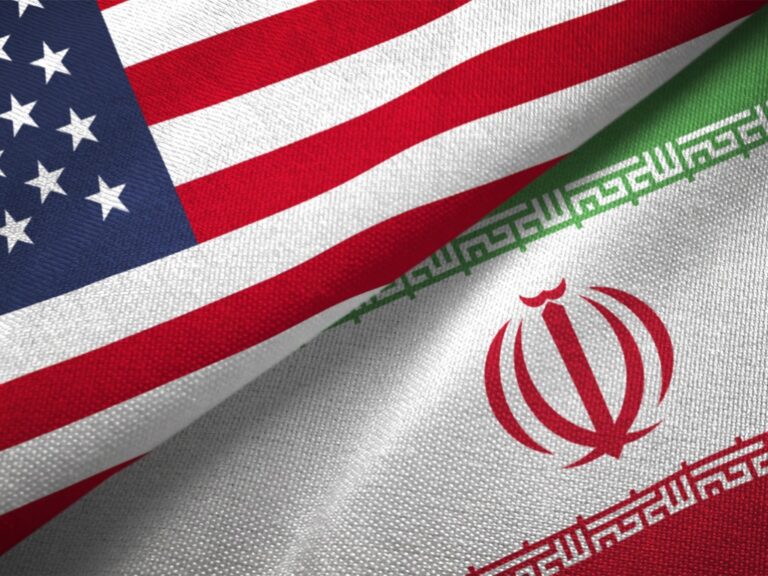
The Iran war presents significant geopolitical risk in volatile capital markets, with direct implications for shareholder activism during the current proxy season, according to a Sidley insight.
Energy price spikes, supply chain disruptions, cyberthreats, and potential sanctions are reshaping how activist investors assess the risks of launching proxy contests against U.S. public companies. The tactical question for corporate America is whether the Iran conflict will suppress activist campaigns during one of the most consequential periods of the governance calendar.
Most U.S. public companies hold annual meetings between April and June. Advance-notice bylaws require director nominations approximately 90 days in advance. Activists launching proxy contests must typically maintain their positions through the annual meeting and for six to twelve months after, making liquidity and market stability essential preconditions for campaigns.
Geopolitical shocks complicate the calculus. Unlike company underperformance, macroeconomic disruptions are outside management’s control. They weaken the governance and strategy narratives that activists rely on. Activists with access to material nonpublic information face restricted trading flexibility, eliminating the option to exit if conditions deteriorate.
Geopolitical volatility is unlikely to suppress activism permanently. Market dislocations may expose valuation gaps and operational weaknesses obscured by favorable conditions, potentially fueling a more aggressive fall campaign season. This is particularly true for companies with off-cycle annual meetings.
For corporate counsel and board advisors, the environment warrants proactive governance strengthening while activist pressure is temporarily reduced. Boards should review capital allocation strategies, crisis management protocols, and risk oversight disclosures to reduce vulnerability to future activist critiques.
Insider trading controls deserve particular attention given the heightened likelihood that directors and officers may possess material nonpublic information during a period of rapid geopolitical developments. Companies in sectors directly exposed to Iran-related sanctions or supply chain disruption should also assess and disclose relevant material risks promptly.
Critical intelligence for general counsel
Stay on top of the latest news, solutions and best practices by reading Daily Updates from Today's General Counsel.
Daily Updates
Sign up for our free daily newsletter for the latest news and business legal developments.